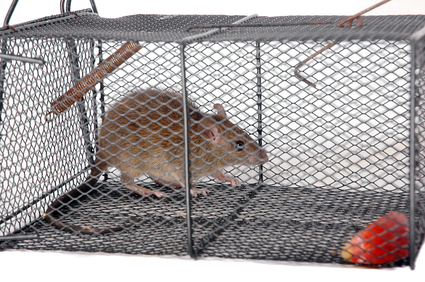
Rodent Control: How to Protect Barns, Sheds, and Outbuildings
Rodents love quiet storage spaces, stacked supplies, and easy access points. Around Tequesta, FL, that often means barns, sheds, and backyard outbuildings. If you manage any of these structures, the fastest way to protect them is to partner with a local pro for rodent control that’s built for our coastal climate and construction styles.
Why Outbuildings Around Tequesta Face Heavy Rodent Pressure
Our warm, humid weather keeps rodents active year-round. After heavy rains or king tides, food shifts and higher ground looks attractive, so sheds on pads, pole barns, and detached garages draw curious “palm rats” and mice. Neighborhoods near green belts, the Loxahatchee River, and older tree canopies see more roof-rat travel lines along fences, palms, and utility runs.
Many outbuildings use thinner wall panels, unsealed roof edges, or roll-up doors that don’t sit flush. Add stored seed, pet food, boat cushions, or holiday decor, and you’ve created harborage plus food. That mix invites nesting, chew damage, and contamination if you don’t secure it.
What Professional Protection Looks Like For Barns, Sheds, And Outbuildings
Quality service focuses on inspection, exclusion, and monitoring. Your technician maps how rodents are moving, identifies species, and closes the building to stop re-entry. The goal is simple: make your outbuilding a closed system that’s hard to enter and not worth the effort.
- Inspection: exterior-to-interior sweep of slabs, door thresholds, utility penetrations, soffits, vents, and roof-to-wall seams
- Exclusion: targeted sealing and hardware selection suited to metal, wood, or composite panels
- Sanitation guidance: remove scent trails and nesting media so problems don’t restart
- Monitoring: discreet devices where activity is most likely so your tech can track and respond fast
With outbuildings, successful protection means paying attention to how doors meet slabs, how wall panels lap, and how attic voids or trusses connect to the outside. A good plan treats the structure as a system, not just a single hole to patch.
Common Access Points Pros Target In Florida Outbuildings
Rodents don’t need much room. A mouse can exploit a pencil-width gap, and roof rats are excellent climbers. During a professional visit, special attention goes to these weak spots:
- Roll-up and sliding door corners where daylight shows or weatherstripping has gaps
- Conduit, water lines, and hose bib penetrations where soft sealants have pulled away
- Ridge caps, gable vents, soffit screens, and eave returns on sheds and barns
- Thresholds where a wood sill or concrete lip has cracked or settled
- Overhanging palms or trellises that create “ramps” to rooflines
Closing these paths is not one-size-fits-all. Materials and fasteners must match the building type and coastal exposure so they hold up through our summer storms.
Health And Safety Risks Inside Enclosed Storage Areas
Outbuildings feel low stakes until a small issue spreads. Urine and droppings contaminate stored items and can carry pathogens. Chewed wiring on golf carts, utility vehicles, or water pumps can create fire risks or surprise failures. In tack rooms, potting benches, or feed storage, gnawing and caching can quietly ruin supplies.
Avoid disturbing droppings or old nesting by sweeping or blowing them around. Professional cleanup reduces airborne particles and removes odors that draw rodents back to the same zone.
Seasonal Patterns To Watch In Tequesta, FL
Rodent pressure doesn’t pause here, but it shifts. Late summer and early fall bring fruit drop and thicker vegetation, which support roof rat populations. Cool snaps and winter fronts push rodents to warm storage areas. Tropical systems can drive them higher and drier, including mezzanines and lofts inside barns.
That’s why recurring service works. A routine schedule adapts to season, checks known hotspots, and tightens defenses as materials expand and contract with heat, rain, and salt air.
The Professional Process: From First Call To Follow-Through
Every property is different, but a thorough plan follows a proven sequence so nothing gets missed:
Step 1: Interview and mapping. Your tech asks where you’ve heard noises, what’s stored where, and when. They map outbuildings, fences, tree lines, and utility runs to understand how rodents travel.
Step 2: Structure-first inspection. They start outside, then move in. Door corners, slab edges, conduit runs, wall laps, and roof edges get a close look. If there’s an attic void, they check for rub marks, droppings, and chew points.
Step 3: Exclusion and control. Rodent entry points are closed, and targeted controls are placed where activity is most likely, out of reach of kids and pets.
Step 4: Odor and attractant removal. Scent trails are addressed so returning rodents don’t re-establish. Stored items are assessed for contamination risk.
Step 5: Monitoring and documentation. You get clear notes on what was found, what was sealed, and what will be checked on the next visit.
Tequesta’s tree canopies and palm fronds give roof rats easy routes to shed and barn roofs. Keep anything that acts like a ramp off the structure and let a pro verify screens, vents, and door seals after major storms.
Signs Your Shed Or Barn Needs Attention Now
You don’t have to see a rat to have a problem. Watch for these red flags in and around outbuildings:
Scratching at night, rub marks on framing, or stale, musky odors in lofts or cabinets suggest nesting. Shredded fabrics, chewed packaging, or small caches of seed point to active routes through your storage. If you notice fresh droppings, avoid disturbing them and schedule service.
Storage And Layout Choices That Lower Risk
Rodents thrive on easy meals and hidden paths. In barns and sheds, the big wins come from how items are stored and how space is organized. Pros focus on the relationship between food sources, harborage, and travel lines. That might mean isolating feed, elevating vulnerable supplies, and creating clear inspection lanes so activity can’t hide in cluttered corners.
Securing seed, pet food, and attractants inside tight, chew-resistant containers is a must for any outbuilding plan. Your technician will flag risks and outline simple changes that make a lasting difference without turning your storage routine upside down.
How This Fits With Whole-Property Pest Control
Outbuildings don’t exist in a vacuum. Landscape choices, fruiting trees, irrigation schedules, and adjacent patios all influence rodent movement. If you already use recurring service for ants, roaches, or spiders, ask about aligning outbuilding visits with your main home schedule through pest control. That keeps monitoring consistent and reduces extra trips.
For properties with damp swales, shade sails, or dense planting near patios, pairing services like mosquito control can improve comfort while your rodent plan keeps storage areas secure.
Local Context: What We See Around Tequesta
In coastal clusters and along older streets, we often see roof access from palms or trellises to shed roofs, then into attic voids through unprotected vents. In hobby barns west of town and near larger lots, rodents target feed rooms, vehicle wiring, and tack storage when doors don’t seal against the slab. Closer to the water, wind-driven rain can loosen seals over time, which is why periodic re-checks matter.
Whether you’re near Tequesta Country Club, tucked off Old Dixie Highway, or on a property with a detached workshop, a consistent plan prevents the on-off cycle of activity that shows up with each season.
Why Choose A Pro Instead Of Going It Alone
Success isn’t just about catching a few rodents today. It’s about closing the system so tomorrow stays quiet. Professionals bring building-science thinking, materials that hold up in our climate, and documentation that shows progress over time. You also get safer cleanup, compliant placement of control devices, and clear communication when conditions change.
Want a plan built for your sheds, barns, and storage spaces? Explore local options for rodent control that address structure, sanitation, and monitoring together so you see results that last.
Ready To Protect Your Outbuildings In Tequesta, FL?
If signs are new and you want a fast path to relief, start with a professional inspection. You’ll get a clear picture of risks, an exclusion plan, and monitoring designed for your property. You can also review our core services at rodent control in Tequesta, FL and schedule a visit when it fits your day.
Protect your storage, tools, and gear from costly damage with a plan that closes entry points and keeps watch year-round. Call Jupiterpest.com at 561-222-9042 or request service now, and we’ll get your sheds, barns, and outbuildings dialed in. For immediate help, book your appointment and our team will confirm details, then get to work sealing, cleaning, and monitoring so you can get back to normal.
Ready when you are. Get started with a local inspection and a tailored plan today through our dedicated page for outbuilding-focused service at rodent control.