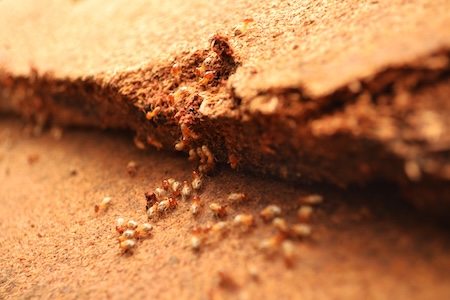
What Are the Signs of a Hidden Termite Infestation in Your Home?
Termites are quiet, persistent, and expensive to ignore. In Palm Beach Gardens, FL, our warm, humid climate lets both subterranean and drywood termites stay active for much of the year. Catching a hidden termite infestation early protects your framing, floors, and peace of mind. If you want a deeper look at professional solutions right away, review our termite control page for how Jupiterpest.com inspects and treats homes like yours.
Why Hidden Termites Thrive In Palm Beach Gardens, FL
Palm Beach Gardens enjoys sun and sea breezes, but the same conditions are ideal for termites. Moisture from summer storms and irrigation keeps soil damp, which is great for subterranean colonies. Many homes in PGA National, Mirasol, Alton, and Evergrene feature decorative wood trim, attic spaces, and screened lanais that can hide activity. Drywood termites can slip in through tiny gaps in eaves or around window frames, then feed inside the wood itself where you cannot see them.
Early Termite Detection: Subtle Clues Homeowners Miss
Hidden termite activity often looks like normal wear and tear. The signs below are small on their own, but together they indicate a termite problem that requires a professional inspection.
- Stuck windows or doors that used to glide but now bind, especially after a rainy week.
- Pencil-thin mud tubes on foundations, garage walls, or pier blocks. These are termite highways.
- Tiny piles of what looks like sand or coffee grounds near baseboards or window sills. That is drywood termite frass.
- Paint that looks bubbled or blistered, without an obvious nearby leak.
- Baseboards that sound hollow or papery when tapped.
Any one of these may seem minor. Together, they suggest termites are moving, feeding, and building out of sight.
Wood Damage Termites Leave: What It Looks Like
Termites consume wood from the inside out. You might not see dramatic damage until they have hollowed large sections. When you press with a screwdriver or your knuckle, the surface may give more than expected. Subterranean termites often leave a layered, rippled look inside studs, with thin soil or mud streaks. Drywood termites carve smooth galleries that run with the grain of the wood and push their frass out through tiny kick-out holes. If baseboards crumble at the corners or you find faint lines beneath chipped paint, that is a red flag for hidden activity.
Mud Tubes, Frass, And Swarmers: What Each Sign Means
Every sign tells a story about what the colony is doing right now.
- Mud tubes: Subterranean termites build these to keep moisture while traveling. Fresh tubes feel damp and clay-like. Old tubes are dry and flaky.
- Frass: Drywood termites leave pellet-like droppings. The pellets collect in neat little cones below baseboards, windows, or in garages.
- Swarmers and shed wings: Winged termites appear when a colony is mature and looking to expand. Piles of identical wings on a windowsill or by a lamp mean you should act quickly.
Do not ignore thin mud lines along your slab or foundation. They are not cosmetic. They are an active route between soil and the wood in your home.
Moisture, Light, And Time: Why Damage Escalates Fast
Termites prefer darkness, steady moisture, and steady food. That describes many spots in Palm Beach Gardens homes, like shaded side yards, crawl areas, and attics with minimal airflow. A small leak from a hose bib or a sweating A/C line can raise local humidity just enough to invite a colony. Once inside, termites work day and night. Wood loses strength silently, which is why routine inspections matter even when you do not see insects.
Local callout: After soaking summer storms, watch garage baseboards, patio posts, and fence connections. These areas stay damp longer and can hide fresh mud tubes. A quick visual check after big rain events can help you spot changes early.
How Professional Termite Inspections Work In Palm Beach Gardens
During a professional inspection, a licensed technician studies your foundation lines, fascia boards, attic, and interior trim for small but telling clues. They check for moisture patterns along exterior hose spigots and irrigation splash zones. In neighborhoods like BallenIsles or Mirabella, where homes often have stucco exteriors with decorative wood, the inspection may focus on transitions where wood meets stucco or concrete. Technicians use moisture meters, probing tools, and lights to identify hidden galleries or soft spots. They may also inspect palm planters, mulch beds, and expansion joints where colonies often nest.
When treatment is needed, the plan targets both the colony and the conditions that support it. Subterranean treatments focus on soil contact points and entry routes. Drywood treatments focus on the infested wood and connected voids. The goal is to stop feeding, remove access, and reduce the chance of a return.
Common Myths That Hide Real Termite Problems
Several ideas keep homeowners from catching issues early:
Seeing no insects means no termites. Termites work inside wood or travel in covered tubes, so you rarely see them crawling in the open.
Fresh paint fixes the problem. Paint can hide staining or bubbling but will not stop active feeding beneath the surface.
One swarm was a one-time event. Swarmers mean a colony matured. If conditions stay the same, activity may continue or return.
Where To Look First In And Around Your Home
Every home is unique, but some areas in Palm Beach Gardens draw termites more often:
Exterior:
- Foundation edges where mulch meets stucco or siding
- Fences or gate posts that touch the soil
- Lanai and porch posts, especially where irrigation overspray lands
- Garage baseboards and door frames exposed to wind-driven rain
Interior:
- Window sills and frames that get strong afternoon sun and evening humidity
- Baseboards behind furniture where airflow is low
- Attic rafters near soffit vents and around skylights
Stained or bubbling paint without a clear plumbing leak deserves a closer look. It often points to trapped moisture that termites love.
What To Do When You Notice Termite Warning Signs
Resist the urge to scrape, seal, or patch. Disturbing mud tubes or sealing kick-out holes can hide the pattern your inspector needs to confirm what type of termite is present. Take clear photos with a coin or key for scale, then schedule a professional inspection. If you prefer to read more about professional approaches first, visit our page on termite control to see how Jupiterpest.com handles subterranean and drywood termites across Palm Beach Gardens.
Prevention Mindset For Palm Beach Gardens Homes
Termites look for the easy meal. Keeping soil and wood separate, improving airflow, and managing moisture make your home a harder target. In our coastal climate, that often means simple home care habits over time rather than one big change. While every property is different, your inspector can point out where small home maintenance steps reduce risk and help future monitoring.
Why Choose A Local Residential Termite Control Team
Local experience matters because it shortens the path from sign to solution. A team that works daily in Palm Beach Gardens understands where irrigation lines collect in mulch, how summer storms push moisture into garage corners, and which building styles in communities like Old Palm or Frenchman’s Creek tend to hide activity. That context helps tailor inspection routes and treatment plans so you solve the right problem the first time.
You can also explore the broader services we offer, from ants to rodents, by browsing our full range of pest control services. If you need hidden termite infestation help from a Palm Beach Gardens pest control team you can trust, Jupiterpest.com is ready to listen and guide you.
When Timing Matters Most
Swarmers indoors, fresh mud tubes on the foundation, or multiple rooms with stuck windows are urgent signs. Waiting gives termites time to expand galleries and move to new food sources. A prompt inspection confirms what you have and what it will take to stop it. After the inspection, your technician will outline a plan that targets today’s activity and supports long-term monitoring.
If you see wing piles inside or find active mud tubes, call a licensed pro right away. The earlier a plan starts, the less disruption to your schedule and the less risk to the structure.
Next Steps For Homeowners In Palm Beach Gardens, FL
Termite warning signs rarely look dramatic at first. That is why they are easy to brush off. A short, professional visit brings clarity and a plan you can feel good about. To speak with our team, call 561-222-9042 and share what you are seeing. You will talk with a friendly specialist who knows local neighborhoods and building styles.
For a clear overview of inspection methods and treatment options, start with our guide to residential termite control. It explains how Jupiterpest.com identifies and addresses activity in ways that suit Palm Beach Gardens homes and weather patterns.
Schedule your termite inspection in Palm Beach Gardens today. Acting on small clues now can protect your home’s structure, surfaces, and value for years to come.