Why Are Termites So Destructive to Homes and Structures? Termite Control North Palm Beach, FL
Termites work in silence, around the clock, and inside the very materials that hold your home together. In North Palm Beach, FL, warm weather and seasonal rains keep colonies active most of the year, which is why even small, hidden activity can lead to big problems. If you want a clear picture of professional solutions, see how our team approaches inspections and treatment on our termite control service page.
As a local, residential pest control partner, Jupiterpest.com focuses on protecting framing, floors, trim, and other vulnerable areas before small issues turn into major structural headaches. One reason our coastal area sees steady activity is moisture. Irrigation overspray, afternoon storms, and shaded yards can keep soil damp, which is perfect for subterranean termites. Drywood termites are also common and can slip inside through hairline gaps, then feed where you cannot see them.
The Science Behind Termite Destruction
Termites eat cellulose, the basic building block in wood and many building products. Workers never stop. They travel in covered tunnels or inside wood fibers to keep humidity steady, then share food with the colony. That steady feeding removes strength from beams, studs, and trim long before the surface looks damaged.
Subterranean termites nest in soil and use mud tubes to reach the structure. Drywood termites live inside the wood itself. Both types hide their activity well, so damage grows quietly over time. That is why early professional attention matters so much in North Palm Beach, FL, where favorable conditions rarely pause.
Where Homes In North Palm Beach, FL Are Most Vulnerable
Homes near the Intracoastal, golf course communities, and older neighborhoods around North Palm Beach Country Club share a few weak points. The risk climbs wherever wood meets soil or where trapped moisture lingers along shaded exterior walls and lanais.
Structural Components Termites Target First
- Sill plates, rim joists, and baseboards at slab edges
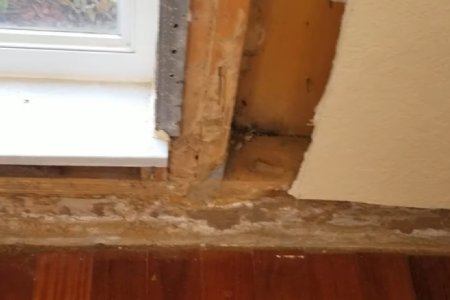
- Door and window frames, especially on windward sides after summer storms
- Attic rafters and fascia where small gaps around vents or eaves exist
- Porch and lanai posts that receive irrigation overspray
In many North Palm Beach homes, the transition between stucco and wood trim is another hotspot. Small cracks can funnel moisture and create protected paths that termites love.
How Termite Damage Progresses From Hidden To Hazard
Early on, activity is confined to tiny galleries inside wood. As workers spread, they hollow material from the inside out. Paint may bubble. Corners of baseboards can crumble. Later, you might see pencil-thin mud tubes on garage walls or shed foundations. By the time floors feel spongy or a doorframe warps, a colony has likely been feeding for a while.
Because activity begins out of sight, homeowners often underestimate the pace of damage. What looks like old water staining can be fresh termite feeding just under the surface. A timely, thorough inspection by trained eyes prevents small pockets of damage from spreading into load-bearing areas.
Subterranean vs. Drywood: Why Both Are So Destructive Here
Subterranean colonies are typically larger and can move quickly into any spot where wood meets damp soil. They often leave thin soil lines inside studs and joists. Drywood termites, on the other hand, live fully inside the wood and can remain hidden in trim, sills, or attic framing. Their galleries run along the grain and push out pellet-like frass through pinholes.
If an inspection confirms soil contact and active tubes, targeted treatment for below-grade and foundation zones is often the priority. Learn how local pros tackle these ground-to-structure routes on our page for subterranean termite control. For pockets of drywood activity that are contained and accessible, local spot work can be effective after a professional confirms the scope.
Local insight: After summer downpours, shaded sides of homes in North Palm Beach stay damp longer. That moisture often sits where mulch meets stucco, which is a favorite entry zone for subterranean termites. A quick check of slab edges by a pro after big rain events can catch new tunneling early.
Why Faster Professional Action Limits Structural Damage
Termites do not rest, and neither does the risk to framing. The sooner a licensed professional maps where termites are moving and feeding, the smaller the area that needs attention. That means less invasive work and better odds of protecting original materials. Delays allow colonies to expand, opening more travel paths and raising the chance that load-bearing members lose strength.
If you want a deeper overview of how colonies expand during the warm months, read our short guide on termite swarm season. Swarmers do not cause the damage, but they do tell you a colony has matured and may be spreading to new spots.
Termite Risk Factors Common Around Coastal Homes
- Consistent moisture at foundation edges from irrigation overspray or poor drainage
- Wood-to-soil contact at fence posts, deck steps, or landscaping borders
- Unsealed gaps around soffits, eaves, utility penetrations, or attic vents
- Sun-baked paint that cracks and lets hidden moisture reach wood fibers
- Stored lumber or cardboard kept in humid garages or sheds
Each risk factor makes the structure easier to access or more comfortable for a colony to maintain humidity and feed. When multiple factors stack up, damage can accelerate quickly.
What “Destructive” Really Means For Your Home
For homeowners, destructive is not just about visible chew marks. It is about what you cannot see: the slow removal of the wood’s inner strength. A baseboard that flakes may only be the surface sign of hollow studs behind it. Floor bounce can signal joists that have been scored inside for months.
Materials beyond framing are at risk too. Termites can tunnel behind drywall, travel along foam, and compromise trim, shelving, or built-ins. Paper-faced products provide food just like wood does. That is why professional mapping of the full pattern matters more than reacting to a single spot that looks soft or stained.
Choosing The Right Local Partner In North Palm Beach, FL
Your home is unique, and so are the pressure points that attract termites. A strong plan begins with careful inspection, clear communication, and a treatment approach matched to your materials and layout. That is exactly how Jupiterpest.com handles termite control in North Palm Beach, FL, from waterfront properties to homes tucked off Lighthouse Drive.
When a contained drywood pocket is confirmed, targeted work inside trim, door frames, or attic members may be the least disruptive path. When soil-to-wood routes are active, a ground-focused plan protects the structure by cutting off access and addressing colonies where they live. For an overview of how we tailor both approaches, review our main page on termite control.
Ready To Protect Your Structure The Right Way?
If you suspect activity or just want a smart plan before the next swarm season, talk with a local specialist today. Jupiterpest.com provides termite protection services designed for Palm Beach County homes, with careful inspections and treatment that fits your materials and layout. Call us at 561-222-9042 or schedule service through our page on termite control. We are ready to help you protect the place you love.