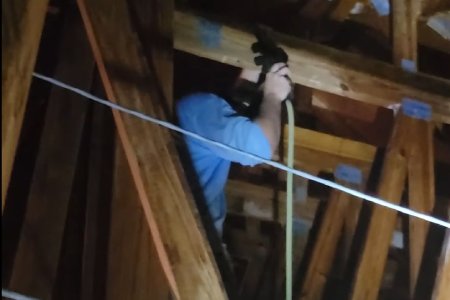
How Do Rodents Get Into Homes and What Can You Do to Stop Them?
Warm, rainy seasons and mature palms make our part of the Treasure Coast a perfect place for roof rats and mice to thrive. If you are hearing night scratches or seeing rub marks, those are often signs of a hidden opening. The fastest path to relief is partnering with a local pro for rodent control services that focus on inspection, exclusion, and monitoring built for Hobe Sound homes.
The Hidden Highways: Common Rodent Entry Points in Hobe Sound Homes
Rodents are opportunists. They run along fence tops and utility lines, then slip through small roofline gaps or low wall penetrations. In our area, many houses are concrete block with stucco and tiled or shingled roofs, while older cottages around places like Zeus Park and The Soundings may be wood‑framed. Each style has weak spots a trained eye can spot quickly.
- Roofline details: soffit returns, ridge vents, gable vents, and gaps where tile or shingle edges meet flashing
- Utility penetrations: AC and conduit lines, hose bibs, and cable entrances where sealants shrink or crack
- Garage door corners: daylight at the bottom corners or worn weather seals
- Attic transitions: roof‑to‑wall joints and unprotected screens over attic vents
- Older structures: crawlspace vents, porch additions, and wood‑to‑soil contact that create chew points
Small gaps add up fast. A mouse can exploit a pencil‑width opening, and roof rats climb like athletes. Once inside, they follow framing and wires to warm, quiet spaces such as attics and soffits.
Why South Florida Weather Pulls Rodents Indoors
Summer rains, king tides, and tropical systems shuffle food sources and harborage, which pushes rodents to higher, drier places. In late fall and winter, cool nights make attics and garages attractive. Fruit drop from palms and backyard trees also spikes activity by supplying easy calories. This year‑round rhythm explains why recurring service outperforms one‑time treatments.
Construction Details That Matter For Rodent Proofing
Every home is different, but pros look closely at how materials meet and move in our climate. Stucco hairline cracks at utility sleeves, tile roof valleys, and fascia transitions are frequent culprits. On wood‑framed cottages, attention goes to soffit screens, chimney chases, and porch tie‑ins. The goal is a closed system that stays secure through heat, salt air, and storm cycles.
In Hobe Sound, roof rats often use overhanging palms and trellises like ramps to the roofline. After major storms or strong afternoon sea breezes, small shifts in flashing and screens can reopen old gaps, so a quick check by a pro after weather events is smart.
What a Professional Inspection Covers
With a pro, the process starts outside. They map how rodents would naturally travel on your property, then move systematically from the roofline to utility penetrations, garage corners, and interior voids. Findings drive a tailored plan that applies the right hardware and sealing methods for your home’s materials. If you also want fewer invaders of every kind, align schedules with ongoing pest control so monitoring stays consistent across seasons.
Skip guesswork. Accurate species ID, entry mapping, and pro‑grade exclusion are what stop repeat problems and protect wiring, insulation, and stored items.
Signs You May Already Have an Entry Problem
- Nighttime scratching or movement in the attic, soffits, or wall voids
- Grease rubs, gnaw marks, or small caches of seeds and pet food
- Fresh droppings or a stale, musky odor in utility closets or garage cabinets
- Pets fixating on a specific baseboard, attic hatch, or garage corner
Do not disturb droppings or nesting. Agitating contaminated areas can create avoidable health risks and make odor problems worse. A trained team has the right cleanup approach and protective equipment.
Pro‑Grade Solutions That Actually Keep Rodents Out
Effective control in Hobe Sound is more than placing devices. It is building‑science work that pairs the right hardware with the right surface and exposure. Pros select chew‑resistant screening, vent guards, and long‑lasting seals that tolerate heat and salt air, then install them at pressure points discovered during inspection. That is how your home stays quiet after the first visit, not just this week but through the next rainy season.
If you store gear in detached spaces, this local article on protecting barns, sheds, and outbuildings explains how technicians secure lighter‑built structures common around the coast. Coordinating those spaces with your home plan closes off the “back doors” rodents often use.
Neighborhood Context: How Hobe Sound Homes Get Targeted
Neighborhoods with mature tree canopies and utility runs see more roof‑rat travel lines along fences and palms. Homes near the Intracoastal or on larger lots often have outbuildings, boat storage, or attic knee walls that create quiet harborage. After a few heavy downpours, rodents follow dry paths to ridge vents and fascia seams. That is why comprehensive inspection and well‑timed rechecks matter in places like Zeus Park and The Soundings where wind and salt can loosen screens faster.
What You Can Expect From a Professional Visit
Your technician will review recent activity, listen for clues about where sounds occur, and begin an exterior‑to‑interior sweep. They document active rub routes, confirm species, and seal entry points with durable materials suited to stucco, concrete block, or wood. Interior sanitation and odor reduction follow so returning animals are not pulled back to the same area. The service wraps with simple, clear notes and a plan for follow‑through.
To compare service approaches and get a feel for options, you can explore rodent control in Hobe Sound, FL resources on our site and see how year‑round prevention keeps problems from cycling back with each season.
Seasonal Timing: When To Act
Act at the first credible sign. Scratching, fresh droppings, or new rub marks usually mean an opening is already in use. Early action limits damage to wiring and insulation and prevents contamination of stored items. It also keeps your plan simpler because the entry network has not expanded.
Ready To Close Every Entry Point?
If you need a plan tailored to your home’s materials and exposure, talk with the local team at Jupiterpest.com. Our specialists focus on inspection‑driven exclusion and monitoring designed for South Florida’s weather and construction. Start with a quick call to 561-222-9042, or learn more about our approach on our rodent control page.
Your home should be quiet again. For fast scheduling and a solution that lasts through storm season and beyond, book a visit today. A short conversation can put you on the path to a sealed, monitored, and protected home with help from Jupiterpest.com and our proven rodent control services.